Impact of Automation on Factory Workers
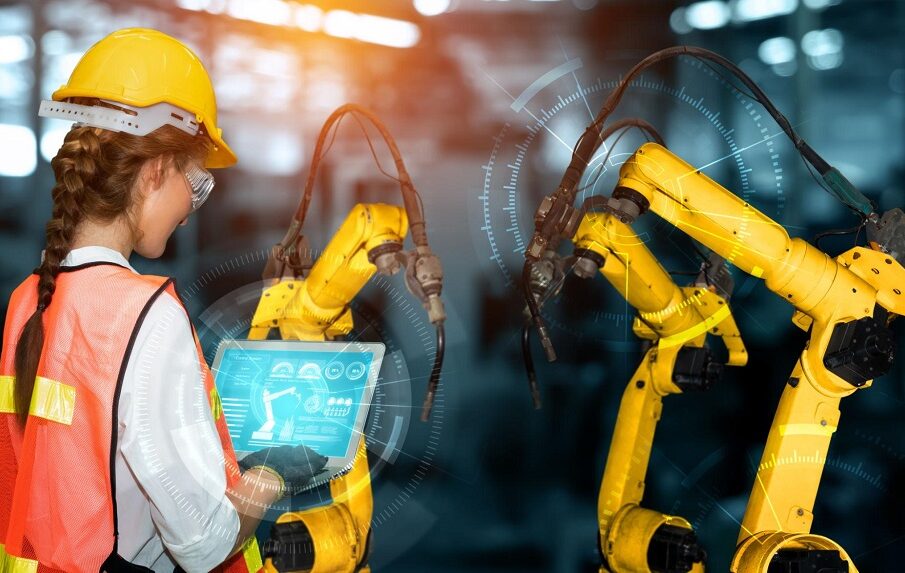
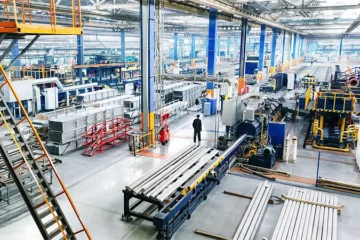
Automation is reshaping the global manufacturing landscape at a pace that few industries have experienced before. From robotic arms on assembly lines to intelligent systems that manage entire production processes, factories are becoming more efficient, precise, and technologically advanced. While these changes offer clear benefits for businesses, they also have a profound impact on factory workers.
The relationship between automation and labor is complex. It brings both opportunities and challenges, altering job roles, skill requirements, and workplace dynamics. Understanding this impact is essential for businesses, policymakers, and workers themselves.
What Is Automation in Manufacturing
Automation in manufacturing refers to the use of machines, software, and control systems to perform tasks that were previously done by human workers. These systems can operate with minimal human intervention and are designed to increase efficiency and consistency.
Types of Automation in Factories
- Fixed automation used for repetitive tasks in mass production
- Programmable automation that allows adjustments for different products
- Flexible automation that adapts quickly to changes in production
Each type plays a role in improving productivity while reducing reliance on manual labor.
Why Automation Is Increasing
Several factors are driving the rapid adoption of automation in factories.
Rising Demand for Efficiency
Companies aim to produce more goods in less time while maintaining high quality standards.
Cost Reduction
Automation reduces labor costs and minimizes errors, leading to long term savings.
Technological Advancements
Advances in robotics, artificial intelligence, and data analytics make automation more accessible and effective.
Global Competition
Businesses must adopt efficient systems to remain competitive in global markets.
Positive Impacts of Automation on Factory Workers
Improved Workplace Safety
Automation takes over dangerous tasks such as heavy lifting, exposure to hazardous materials, and repetitive motions.
Benefits include:
- Fewer workplace injuries
- Reduced physical strain
- Safer working environments
Creation of New Job Roles
While some jobs are replaced, automation creates new opportunities in areas such as:
- Machine maintenance
- Programming and system management
- Data analysis
These roles often require higher skill levels and offer better career prospects.
Higher Productivity and Wages
In many cases, increased productivity leads to business growth, which can result in better wages and benefits for skilled workers.
Reduced Repetitive Work
Automation eliminates monotonous tasks, allowing workers to focus on more meaningful and engaging activities.
Negative Impacts of Automation on Factory Workers
Job Displacement
One of the most significant concerns is the loss of jobs due to machines replacing human labor.
Workers performing routine tasks are most affected.
Skill Gaps
Automation requires new skills that many workers may not possess initially.
Challenges include:
- Lack of technical training
- Difficulty adapting to new systems
- Limited access to education resources
Job Insecurity
The fear of being replaced by machines can create uncertainty and stress among workers.
Wage Inequality
Highly skilled workers benefit more from automation, while low skilled workers may face reduced opportunities.
Changing Nature of Factory Jobs
Automation does not eliminate work entirely but changes its nature.
Shift from Manual to Technical Roles
Workers are increasingly required to:
- Operate automated systems
- Monitor production processes
- Analyze performance data
Emphasis on Problem Solving
Instead of performing repetitive tasks, workers focus on troubleshooting and improving processes.
Collaboration with Machines
Modern factories involve close interaction between humans and machines, often referred to as human machine collaboration.
Skills Required in the Age of Automation
To remain relevant, factory workers must develop new skills.
Technical Skills
- Understanding of machinery and robotics
- Basic programming knowledge
- Familiarity with digital tools
Analytical Skills
- Data interpretation
- Process optimization
- Decision making
Soft Skills
- Adaptability
- Communication
- Teamwork
Continuous learning is essential for long term career growth.
Role of Training and Education
Importance of Reskilling
Reskilling programs help workers transition from traditional roles to modern ones.
Employer Responsibility
Companies play a key role by:
- Providing training programs
- Supporting skill development
- Encouraging continuous learning
Government Initiatives
Governments can support workers through:
- Education programs
- Financial assistance
- Workforce development policies
Impact on Workplace Culture
Automation changes not only job roles but also workplace dynamics.
Increased Collaboration
Teams work together with advanced systems, requiring better coordination.
Focus on Innovation
Employees are encouraged to contribute ideas for improving processes.
Shift in Management Style
Managers focus more on strategy and less on direct supervision of manual tasks.
Economic Impact on Workers
Productivity Gains
Automation increases output, contributing to economic growth.
Employment Shifts
Jobs move from low skill roles to high skill positions.
Regional Differences
The impact of automation varies across regions depending on:
- Level of industrialization
- Access to technology
- Workforce skills
Balancing Automation and Human Labor
A balanced approach ensures that both technology and human workers contribute effectively.
Strategies for Balance
- Combining automation with human oversight
- Retaining roles that require creativity and judgment
- Ensuring fair transition policies
Businesses that achieve this balance benefit from both efficiency and human insight.
Real World Example
In automotive manufacturing, robots handle tasks such as welding and painting, while workers manage quality control and system monitoring.
This combination improves efficiency while maintaining human involvement in critical areas.
Future Outlook for Factory Workers
Increased Demand for Skilled Workers
As automation grows, demand for skilled workers will continue to rise.
Continuous Learning
Workers must adapt to changing technologies through ongoing education.
New Career Opportunities
Emerging roles in robotics, data analysis, and system management offer new career paths.
Greater Job Flexibility
Automation may lead to more flexible work environments and roles.
Ethical Considerations
Automation raises important ethical questions.
Fair Treatment of Workers
Companies must ensure that workers are treated fairly during transitions.
Access to Opportunities
All workers should have access to training and development resources.
Responsible Implementation
Automation should be implemented in a way that benefits both businesses and society.
Conclusion
The impact of automation on factory workers is both transformative and complex. While it brings efficiency, safety, and new opportunities, it also introduces challenges such as job displacement and skill gaps.
The future of work in manufacturing depends on how well businesses, governments, and workers adapt to these changes. By investing in education, embracing new technologies, and focusing on human potential, it is possible to create a balanced and sustainable industrial environment.
Automation is not just about replacing human labor but about redefining it. Workers who adapt and evolve will find new opportunities in this changing landscape.
Frequently Asked Questions
1. How does automation affect factory jobs
Automation changes job roles by reducing manual tasks and increasing demand for technical and analytical skills.
2. Will automation completely replace factory workers
No, automation replaces certain tasks but also creates new roles that require human involvement.
3. What skills are most important for workers in automated factories
Technical skills, analytical abilities, and adaptability are essential for working in automated environments.
4. How can workers prepare for automation
Workers can prepare by learning new skills, participating in training programs, and staying updated with industry trends.
5. Does automation always lead to job loss
Not always. While some jobs are lost, new opportunities are created in different areas.
6. What industries are most affected by automation
Manufacturing, logistics, and automotive industries are among the most affected.
7. How can companies support workers during automation
Companies can provide training, reskilling programs, and support systems to help workers transition successfully.