
Why HR Teams In Singapore Partner With Personal Trainers To Reduce Healthcare Costs And Improve Workforce Wellbeing
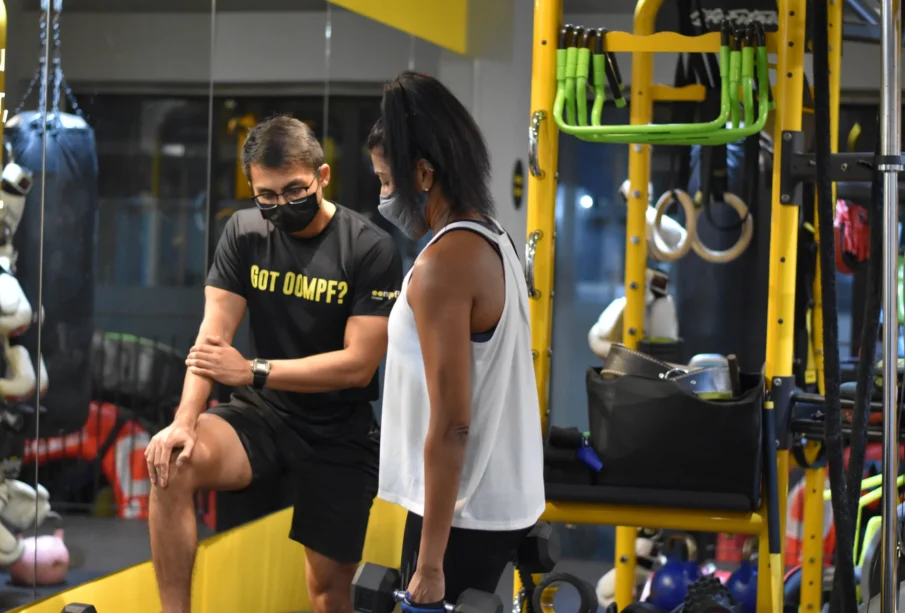
Corporate health budgets in Singapore have grown significantly over the past decade. Rising medical insurance premiums, higher absenteeism, stronger competition for talent and increased workplace stress levels have pushed companies to rethink their approach to employee wellbeing. Instead of relying solely on annual medical screenings or one time wellness campaigns, more HR teams now look toward long term, structured support. One of the most effective strategies is partnering with a dedicated fitness trainer singapore who can deliver measurable improvements in employee health, productivity and morale.
This is more than a fitness trend. It is a strategic response to rising costs and workforce expectations. Employees in Singapore face long working hours, tight project deadlines, high digital load and sedentary lifestyles. Without intentional intervention, these factors increase the likelihood of chronic health conditions, reduced engagement and higher turnover. HR departments recognise that proactive solutions create healthier employees and reduce medical expenditure over time.
Understanding The Shift Toward Preventive Wellness
Companies used to rely on reactive healthcare. Employees fell ill, visited a clinic and made insurance claims. HR settled the claim and moved on. Today, this approach is financially and operationally inefficient. Chronic conditions like hypertension, diabetes, obesity and stress related issues affect a large portion of the workforce. When left unattended, they lead to expensive long term medical claims.
Preventive wellness is more cost effective and sustainable. It reduces the root causes of illness instead of treating consequences. Structured fitness programmes help employees manage weight, improve metabolic health, reduce stress and cultivate better energy. When these areas improve, healthcare costs drop naturally.
The Rising Cost Of Corporate Healthcare
Singapore’s medical inflation continues to grow, and company insurance premiums often increase annually. For HR teams managing tight budgets, the escalation becomes difficult to justify. Corporate health claims commonly arise from:
-
Musculoskeletal issues
-
Metabolic disorders
-
Cardiovascular concerns
-
Workplace related stress
-
Anxiety or mental fatigue
-
Lifestyle driven conditions
These conditions overlap significantly with poor physical fitness, low daily movement and long periods of sitting. A targeted fitness intervention reduces claim frequency and severity.
How A Fitness Trainer Supports Corporate Health Goals
Partnering with a trainer is not the same as offering a general gym membership. Many employees with memberships do not use them consistently. A fitness trainer provides structure, accountability and personalisation that improves participation and outcomes.
Key advantages include:
-
Professional movement screening to detect imbalances early
-
Training programmes aligned with each employee’s fitness level
-
Customisation for employees with medical concerns
-
Motivating group sessions that build team spirit
-
Structured progression to avoid injury
-
Data tracking to measure improvement
These elements make training sustainable, not sporadic.
Creating A Business Case For HR And Management
HR teams must demonstrate ROI when proposing wellness investments. A fitness partnership provides measurable gains through:
-
Reduced sick days
-
Lower medical claims
-
Increased energy and productivity
-
Higher morale and team cohesion
-
Improved retention
-
Better mental resilience
When employees move more, sleep better and feel stronger, they perform better and require less medical support.
Designing Tiered Programmes For Diverse Workforces
Companies in Singapore often have diverse roles, from executives to frontline staff. Fitness programmes must reflect their unique needs.
Executives
They face high stress, poor sleep and long hours. A trainer provides stress regulation drills, mobility work and short efficient sessions.
Managers
They juggle leadership responsibilities and operational tasks. A trainer helps them maintain consistency through flexible scheduling.
Frontline Staff
They may stand for long hours or perform repetitive tasks. A trainer focuses on strengthening joints, posture and basic conditioning.
Remote Or Hybrid Employees
They deal with screen fatigue and sedentary routines. A trainer provides virtual sessions or home friendly programmes.
Tiered structures ensure everyone benefits.
The Role Of Consistent Participation
Participation is the greatest challenge in corporate wellness. Programmes fail when employees attend only once or twice. Trainers address this by:
-
Setting group challenges
-
Tracking progress visually
-
Using simple metrics like steps or active minutes
-
Encouraging team accountability
-
Designing enjoyable, varied sessions
-
Creating small wins that increase confidence
When employees see progress, they return.
Reducing Musculoskeletal Claims Through Strength And Mobility
Musculoskeletal injuries are one of the biggest contributors to corporate healthcare claims. Back pain, neck stiffness, poor posture and knee discomfort are extremely common among Singapore’s desk bound employees.
A fitness trainer builds preventive strength through:
-
Core stabilisation
-
Hip mobility drills
-
Upper back activation
-
Posterior chain strengthening
-
Movement pattern correction
-
Ergonomic awareness training
When employees learn to move safely, the risk of injury drops sharply.
Improving Mental Health Through Physical Activity
Physical training is not only about muscles. It also influences cognitive function, emotional resilience and stress levels. Singapore’s work culture often involves long hours and high expectations, which strain the mental wellbeing of employees.
Trainers incorporate:
-
Breathing exercises
-
Low impact conditioning
-
Stress relieving cooldowns
-
Mindful movement sessions
-
Endorphin boosting routines
Regular movement reduces cortisol levels and improves mental clarity.
Using Data To Document Corporate Wellness Impact
HR teams appreciate measurable outcomes. Trainers use data to show improvements in:
-
Resting heart rate
-
Strength performance
-
Step counts
-
Flexibility
-
Body composition
-
Stress markers
-
Employee attendance
This evidence helps HR justify continued investment in wellness.
Onsite And Offsite Training Options
Companies have different workplace setups. Trainers adapt formats to match the organisation’s environment.
Onsite Training
Perfect for companies with meeting rooms, open spaces or empty studios. Trainers travel to the office, which boosts attendance.
Offsite Training
Suitable for companies encouraging employees to train before or after office hours. Sessions take place in external gyms or fitness centres.
Hybrid Sessions
Ideal for hybrid teams. Trainers offer a mix of physical and virtual sessions.
This flexibility accommodates various organisational needs.
Addressing Common Corporate Barriers To Fitness
Employees often avoid wellness activities due to:
-
Lack of time
-
Fear of being judged
-
Low fitness confidence
-
Inconsistent schedules
-
Fatigue
-
Unclear goals
A trainer addresses each barrier by providing reassurance, creating achievable goals and designing beginner friendly variations that still deliver results.
Real Life Corporate Training Scenarios In Singapore
Below are typical examples of how trainers support different corporate settings.
Scenario A: A Finance Firm With Tight Work Cycles
Employees work long hours. The trainer provides short, high quality sessions twice a week to enhance energy and mobility.
Scenario B: A Tech Company With Sedentary Workers
Desk related discomfort is common. The trainer introduces posture correction, core strengthening and ergonomic exercises.
Scenario C: A Retail Chain With Frontline Workers
Employees spend long hours standing. The trainer focuses on lower body endurance, back stability and safe lifting techniques.
Scenario D: A Hybrid Workforce
Schedules vary widely. The trainer offers both onsite group sessions and online training for remote staff.
Scenario E: A Company With High Stress Levels
The trainer combines moderate strength circuits with calming cooldowns to regulate stress.
Each scenario demonstrates the adaptability of high quality corporate training support.
Companies that want a structured and effective corporate fitness partnership often choose facilities like True Fitness Singapore to support long term health goals for their workforce.
FAQ
How long does it take for HR to see improvements
Many companies observe changes in participation, mood and energy within four to six weeks. Medical claim reductions become noticeable over several months.
Will employees of different fitness levels be able to join
Yes. Trainers design multi level sessions so everyone can participate safely and confidently.
Can HR track the programme’s ROI
Yes. Trainers provide progress reports, attendance logs and performance data that help HR evaluate impact.
What if employees feel intimidated
A trainer uses encouraging coaching, regression options and simple movements to ensure everyone feels included.
Are virtual sessions effective
Virtual training is highly effective when well structured. It offers flexibility for remote or hybrid teams.